Asian American immigrants have been shaping the city since Seattle first started laying its roots.
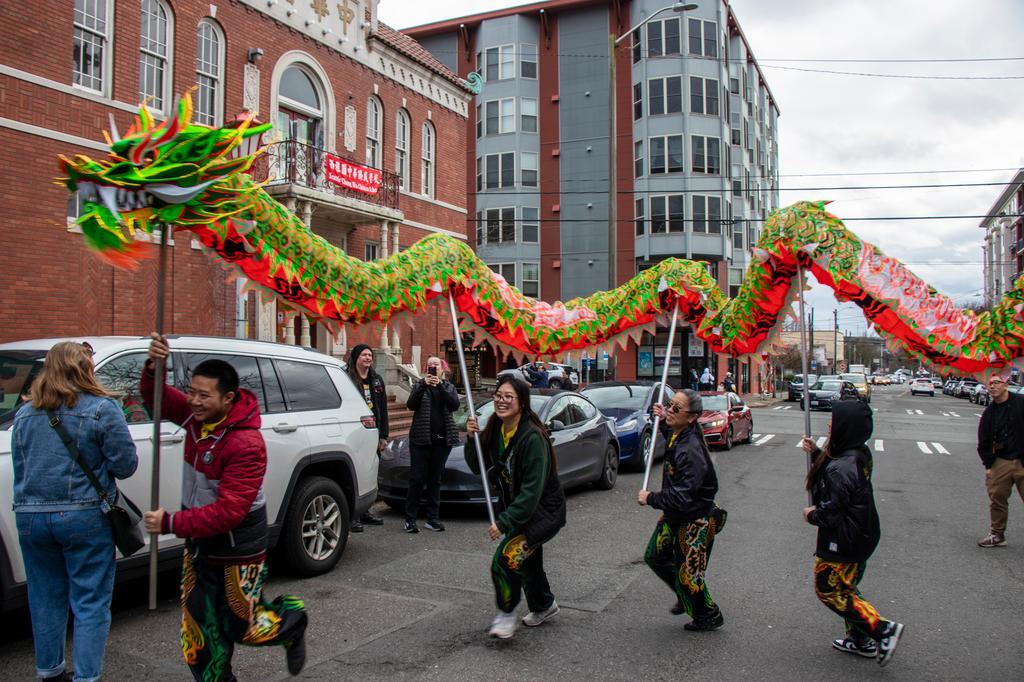
2024 Lunar New Year
Chinese pioneers arrived as early as the 1860s, with Japanese immigrants following soon after. Both groups eventually settled in what is known today as the Chinatown-International District–or C-ID, with Chinese immigrants setting up a specific Chinatown neighborhood and Japanese immigrants creating Nihonmachi, or Japantown, just a couple of blocks away. By the turn of the 20th century, these two communities had become an integral part of the Emerald City, constructing railroads and farming much of the fresh produce sold at the newly established Pike Place Market.
Filipino immigrants started to arrive soon after, with the first wave taking place in the 1910s. While other Asian populations had discriminatory immigration policies that prevented them from immigrating, the Philippines was technically a U.S. territory for the first half of the 20th century, making it possible for Filipinos to settle on the U.S. mainland. In Seattle, these immigrants made their home in a new C-ID neighborhood, Filipino Town.
With World War II came arguably the hardest time for Asian Americans. After the Japanese bombing of Pearl Harbor, Japanese American immigrants were put in internment camps for the duration of the war. When those who survived were released years later, they would return to their former homes, often realizing that they’d lost their properties, incomes, and belongings in the interim. It took quite a bit of time for Japanese Americans to find their footing again.
When the Korean War broke out in the 1950s, many American servicemen were sent to fight on behalf of South Korea. At the end of the war, many of these soldiers brought Korean wives and children with them back to the states, and to Seattle specifically.
But it wasn’t until the latter half of the 1960s—after the passing of the Immigration and Nationality Act of 1965, a law that abolished the previous discriminatory quotas of how many immigrants could come from specific countries—that there was a significant wave of Asian American immigrants to the U.S. While the influx wasn’t specific to Seattle, it did bring the city a noteworthy number of Korean, Indian, and Pakistani immigrants.
The end of the Vietnam War and the fall of South Vietnam in 1975 led to a wave of Vietnamese refugees around the world. While other states closed themselves off to these refugees, Washington State’s governor at the time, Daniel Evans, famously opened the state’s doors. He developed a well-curated resettlement program, first bringing approximately 500 educated Vietnamese refugees and their families. This first group was then followed by thousands more over the next two decades, further reshaping Seattle’s landscape—particularly the C-ID, where a new neighborhood, Little Saigon, was born. Additionally, other ethnic groups from neighboring countries – including Hmongs, Cambodians, and Laotians—fled the unstable region as well, also finding homes in Seattle as refugees.
Around this time, Seattle’s C-ID faced the threat of numerous development projects. From highway builds to stadium construction, these plans would have displaced the many Asian American groups that made their home there. Activists like Bob Santos, a Filipino American leader, worked hard to preserve the district. He was part of the influential multiracial “Gang of Four” coalition that united Asian, Black, Latino, and Native American communities to fight for civil rights and pursue low-income housing development projects for underrepresented communities.
Despite the rocky history, Asian American groups have found their place in the C-ID and the greater Seattle area. Today, you can explore the countless ways these communities have made their mark—from history-focused museums to lively community events to authentic mom-and-pop eateries.
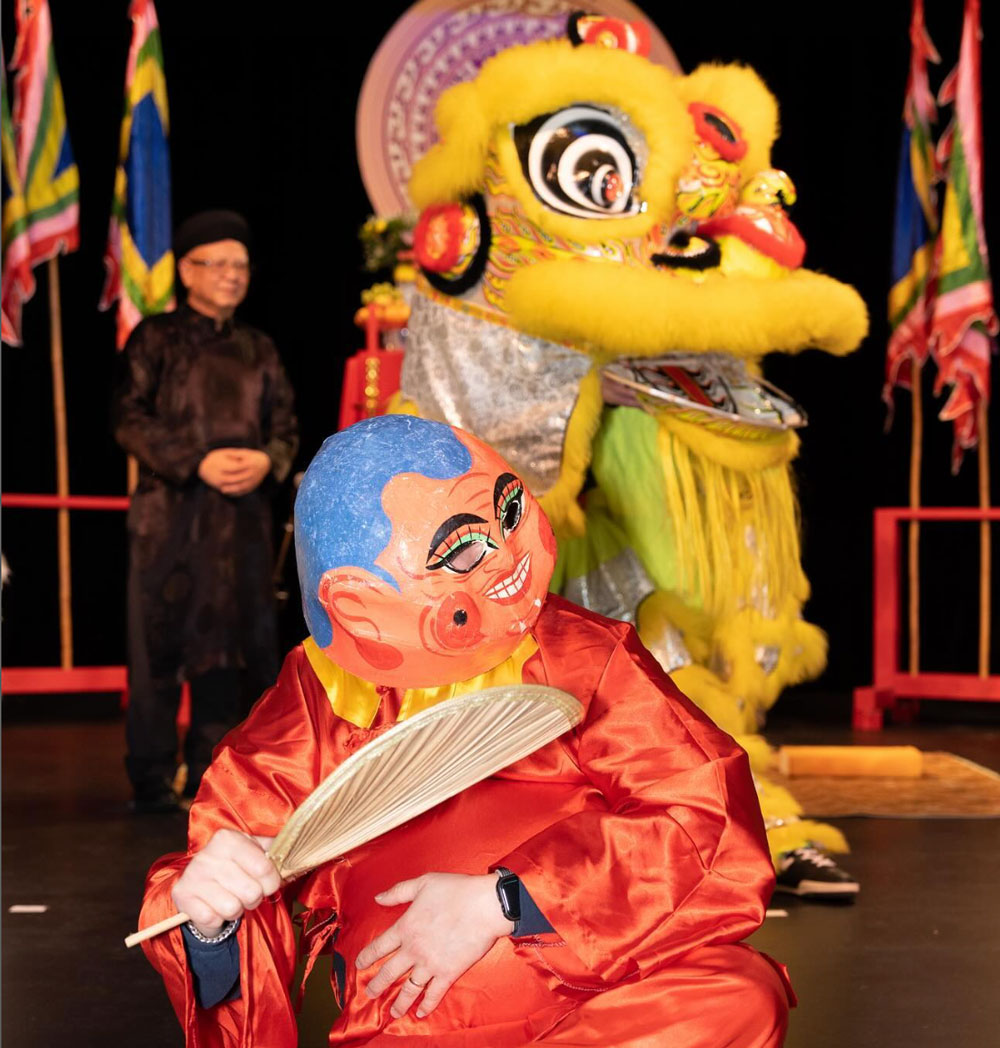
courtesy Tet in Seattle
Explore Arts & Culture
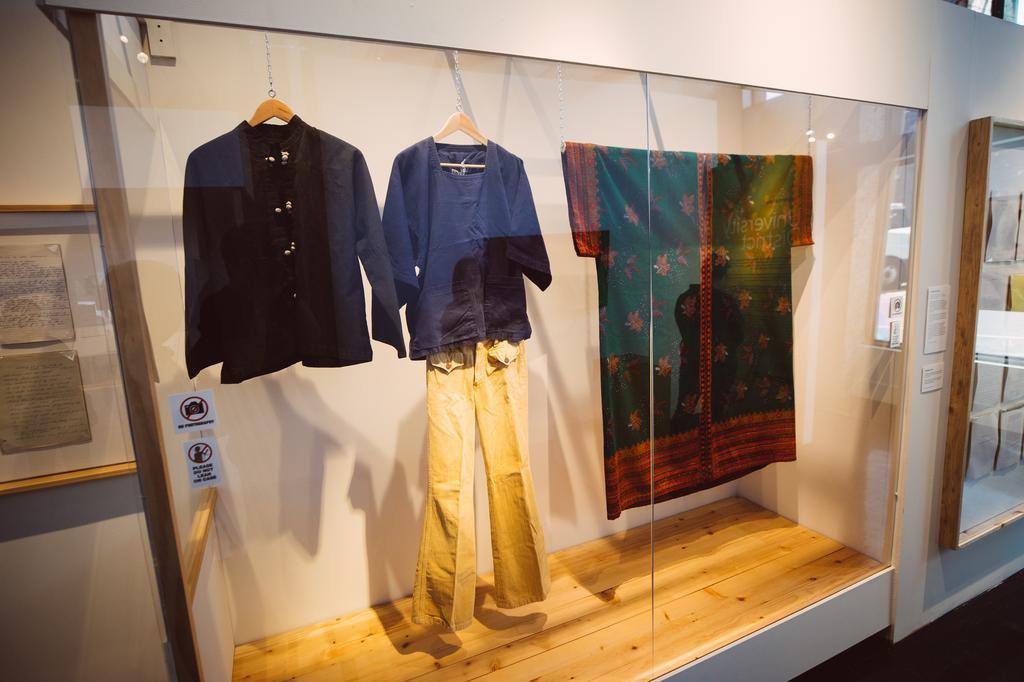
Wing Luke Museum photo: Liu Nian
Wing Luke Museum
Pay a visit to the Wing Luke Museum, the only pan-Asian Pacific American museum in the United States. Named after the first Asian American to hold public office in Washington State, this Smithsonian Institution affiliate celebrates Asian Americans’ immigration journeys and community contributions, both through curated exhibits and engaging walking tours.
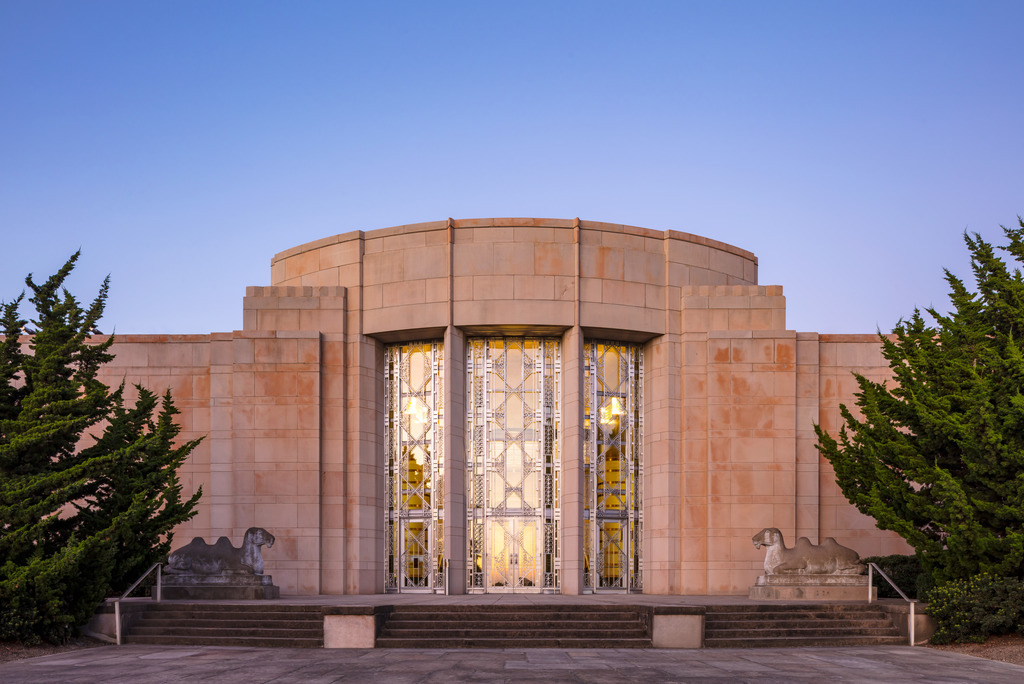
courtesy Seattle Asian Art Museum
Seattle Asian Art Museum
Dive into East and South Asian artwork at the Seattle Asian Art Museum in Capitol Hill’s Volunteer Park. An offshoot of the Seattle Art Museum, the elegant Art Deco building houses one of the nation’s premier collections of Japanese, Korean, and Chinese art.
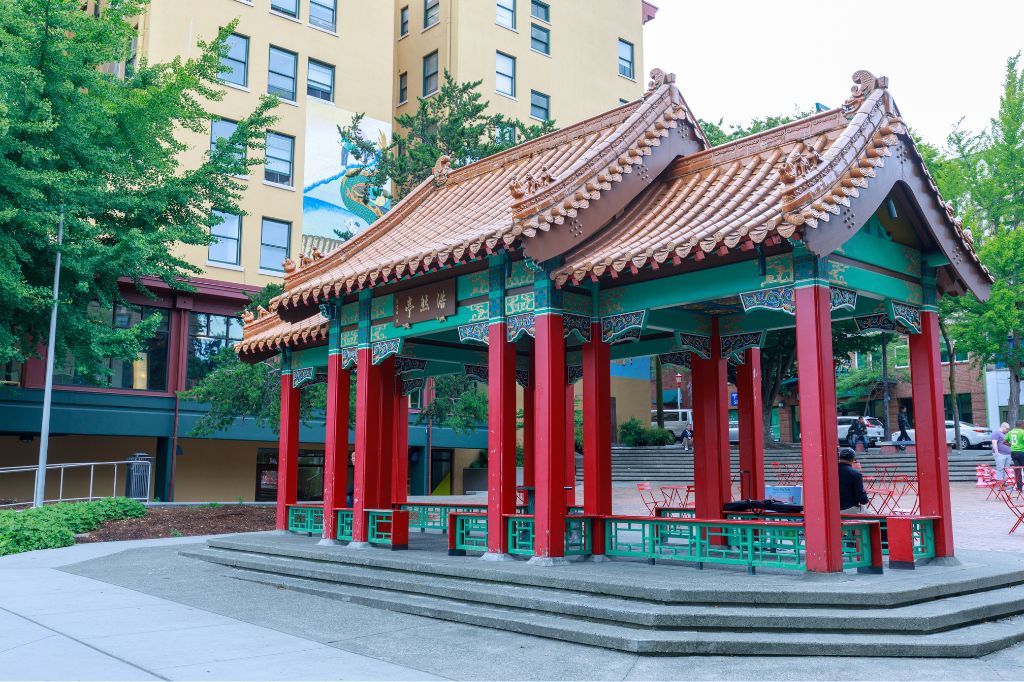
Hing Hay Park
Hing Hay Park
This Chinatown community hub features an ornate Chinese Pavilion that was a gift from the people of Taipei. Scheduled festivals are often held in this plaza, but even when there’s nothing on the calendar, you can find locals getting together for friendly games of ping pong and chess.
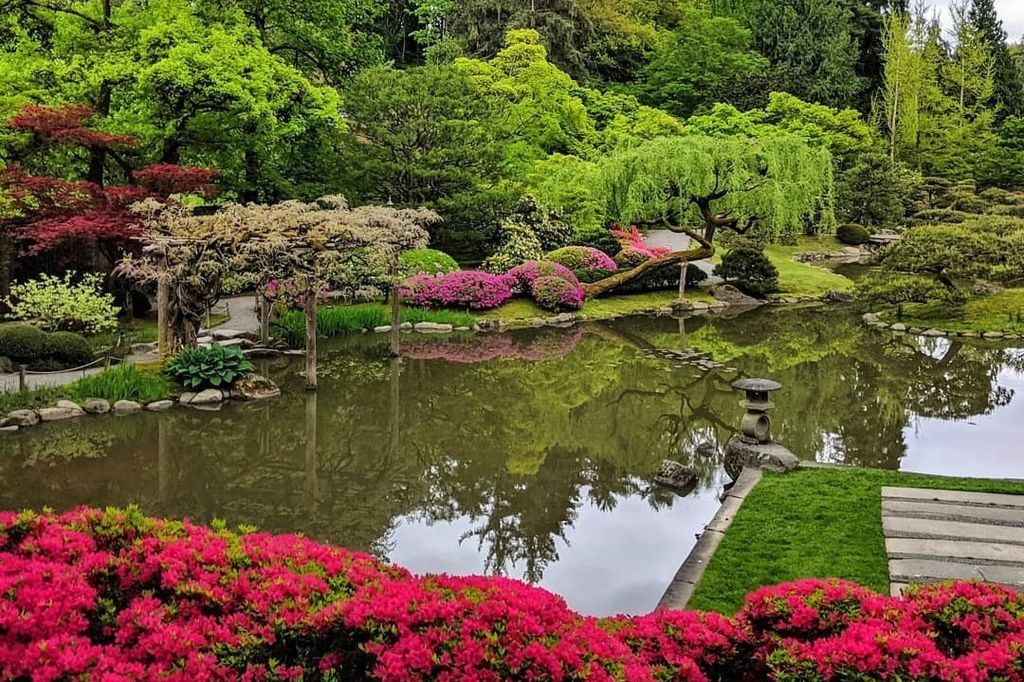
Seattle Japanese Garden photo: @obisamg
Seattle Japanese Garden
Stroll through the 3.5-acre formal Japanese garden in the Washington Park Arboretum, where hundreds of granite boulders from the Cascade Mountains were thoughtfully placed among azaleas and flowering trees, maples and evergreens, stone bridges and koi ponds. Round out your visit with a stop at the tea house for a traditional Japanese tea ceremony (reservations required).
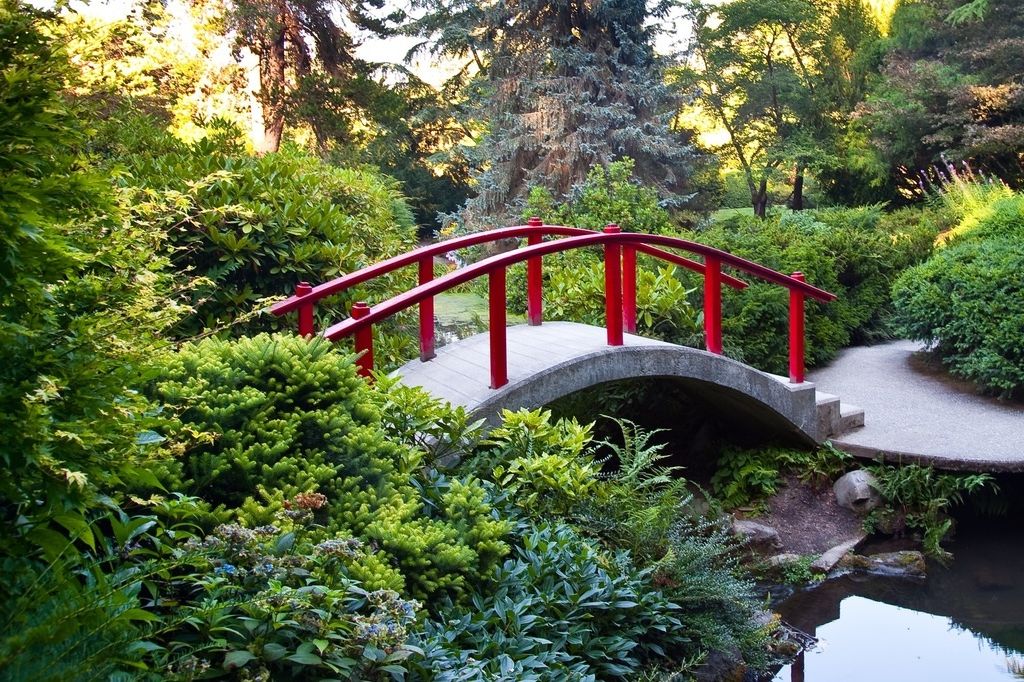
Kubota Garden
Kubota Garden
Pay a visit to this peaceful 20-acre garden in the Rainier Beach neighborhood. Built in 1927, Kubota Garden is the work of Japanese American Fujitaro Kubota, a horticultural pioneer who worked to incorporate Pacific Northwest plant life in a traditional Japanese style.
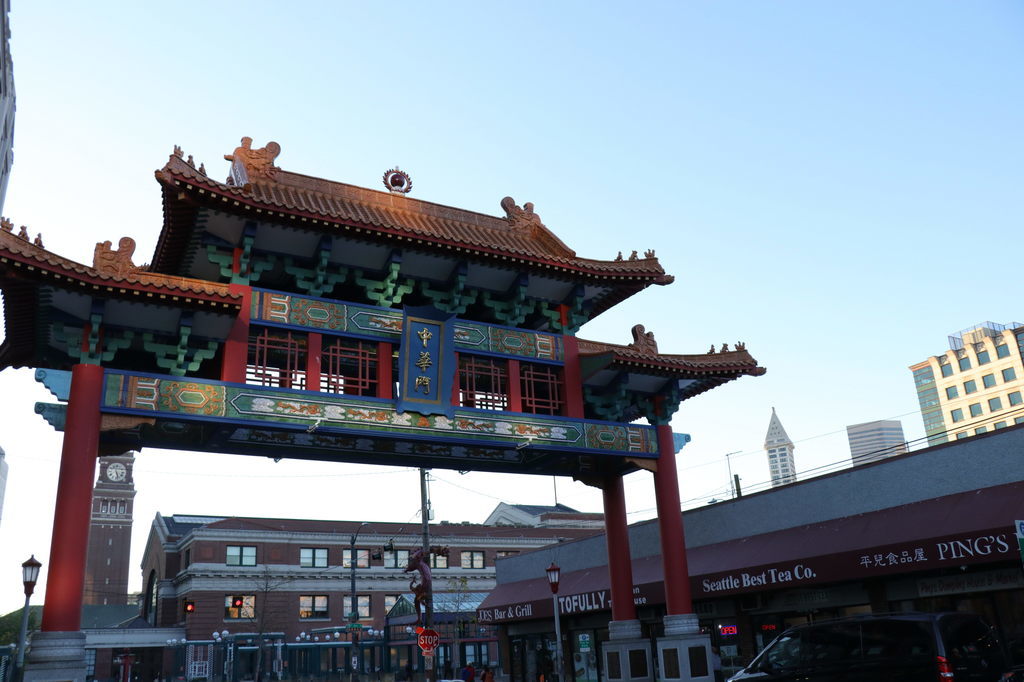
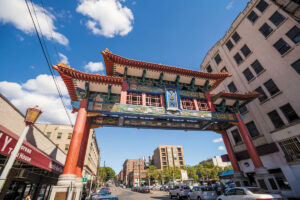 Chinatown Historical Gate
Chinatown/International District
Located southeast of Pioneer Square, this historical district was largely built between 1909 and 1929, and is listed in the National Register of Historic Places. Dragons perch on light posts, ornamental balconies grace the upper floors of Chinese family association buildings, and stone lanterns and tiled pagodas anchor community parks and gardens in this historic neighborhood that community activists have fought to preserve.
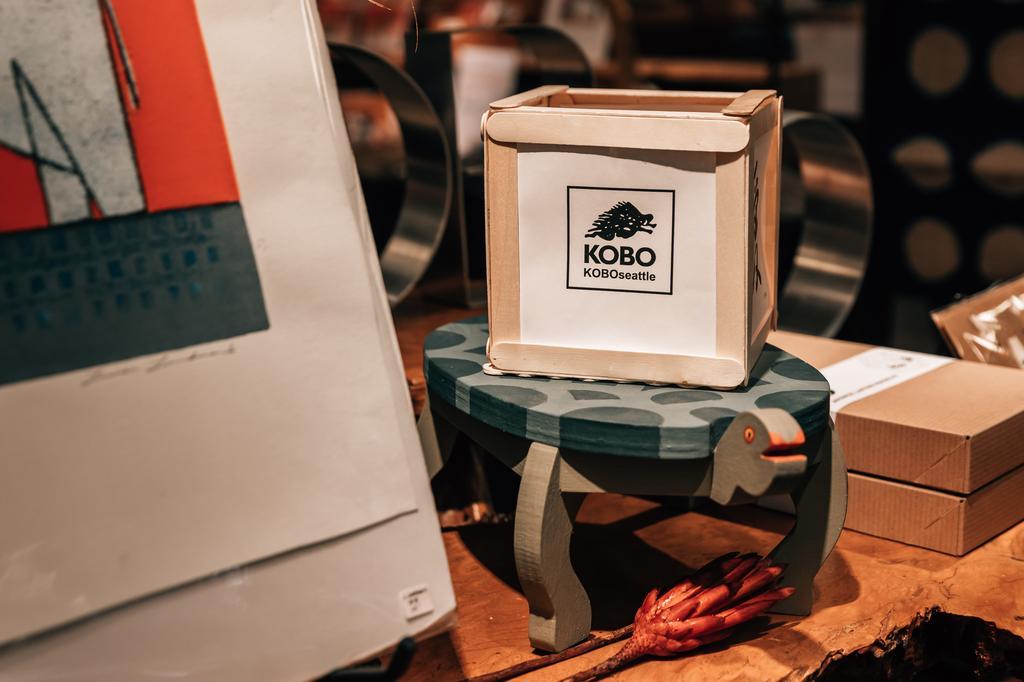
Kobo Shop & Gallery at HIGO photo: Visit Seattle
Kobo Shop & Gallery at HIGO
Stop into Kobo Shop & Gallery at HIGO for a bit of history and a whole lot of art. Serving as a community hub for Japanese Americans for nearly a century, this shop is filled with both memorabilia from its previous iterations, as well as modern art from contemporary Japanese and PNW artists.
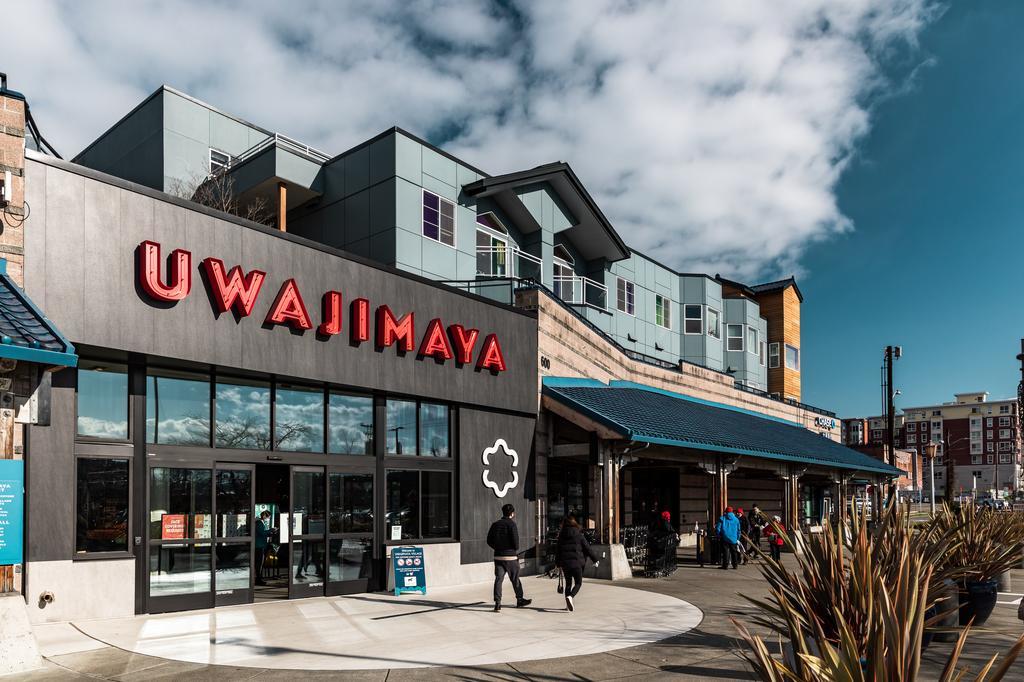
Uwajimaya photo: Visit Seattle
Uwajimaya
In 1928, founder Fujimatsu Moriguchi began selling homemade foods and trade items from the back of his truck to Japanese laborers working in logging and fishing camps in the Puget Sound region. Still a family run business, Uwajimaya is a feast for the senses, providing ingredients for Chinese, Filipino, Hawaiian, Indian, Japanese, Korean, Thai, and Vietnamese cuisine, as well as gifts, restaurants, and cooking classes.
Panama Hotel & Tea House
Feel transported back in time at the Panama Hotel & Tea House, established in 1910. Enjoy a wide array of teas in the café, explore the only remaining Japanese bathhouse in the U.S. (though it’s not open for use), and pay your respects at the onsite memorial dedicated to the Seattle Japanese residents who were forced into internment camps during World War II.
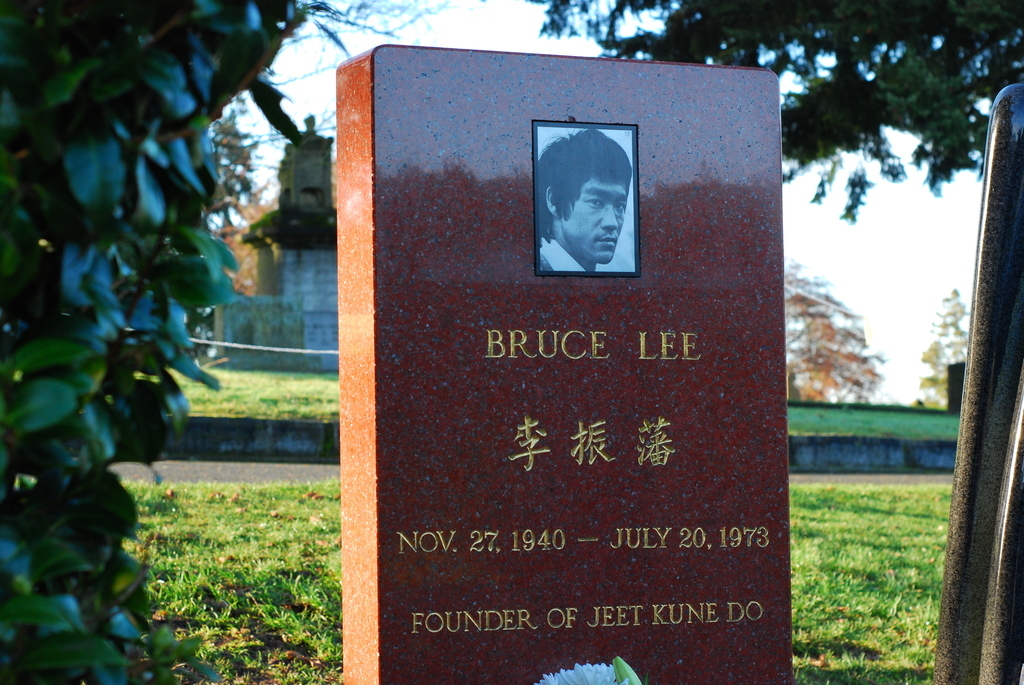
Bruce Lee’s Gravesite
Bruce Lee’s Grave
Acclaimed martial artist, actor, and director Bruce Lee is buried in Lake View Cemetery, just north of Capitol Hill’s Volunteer Park. Pay your respects at the grave of this kung fu legend, along with other fans who wish to do the same.
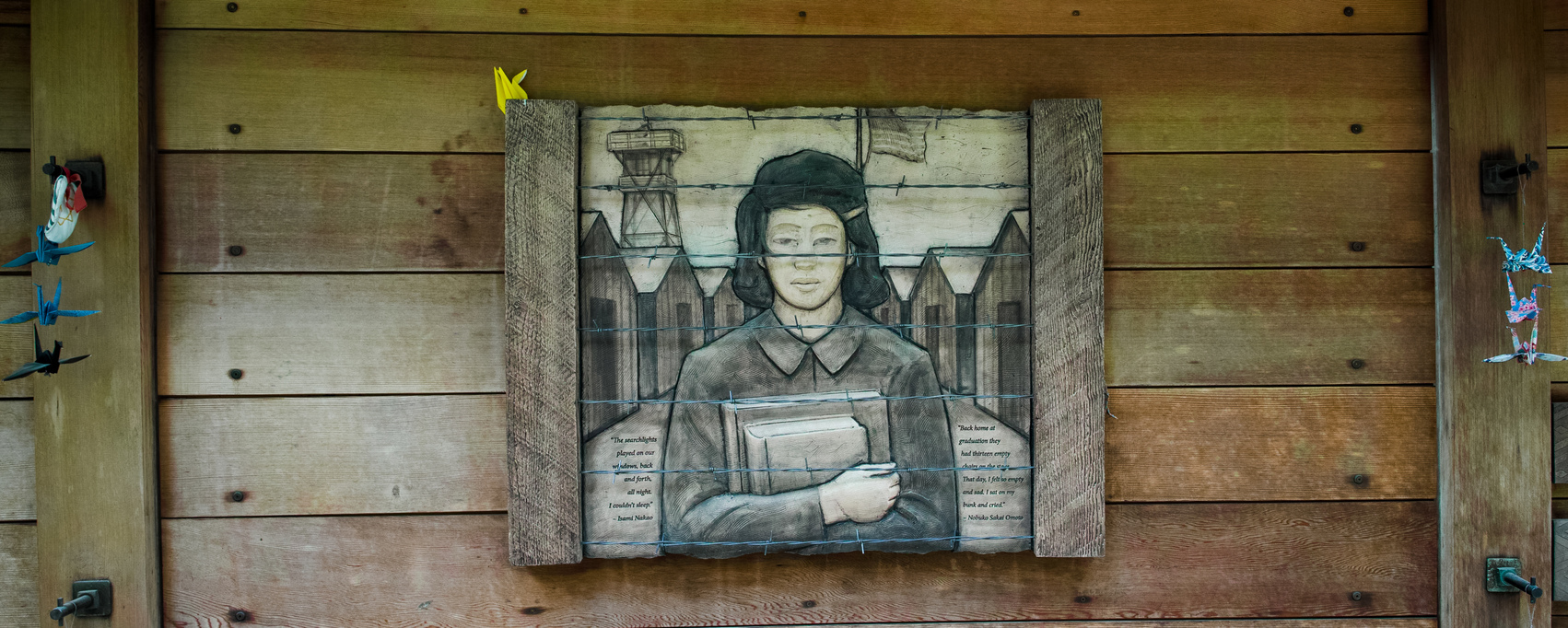
Japanese Exclusion Memorial photo: John Chao
Bainbridge Island Japanese American Exclusion Memorial Association
In 1942, Bainbridge Island’s Japanese American residents were the first of nearly 120,000 Nikkei—people of Japanese ancestry—forcibly removed from their homes and forced into internment camps. The islanders’ point of departure, the former Eagledale ferry landing adjacent to Pritchard Park, is now a memorial with the motto Nidoto Nai Yoni, “Let it not happen again.”

Special Events
January – November
Seattle Center Festál
Seattle Center hosts a series of 25 annual festivals celebrating the city’s ethnic diversity, with each event highlighting a specific culture. Many are dedicated to Asian American cultures: Admire blooming cherry blossoms at the Japanese Cultural Festival in April, watch traditional Indian dances at A Day in Punjab in August, celebrate Hmong New Year in November, and more.
January or February
Lunar New Year Celebration
This is arguably the largest Asian American event in all of Seattle. Each January or February, the streets of the Chinatown-International District come alive with lion and dragon dances, taiko drumming, arts and crafts booths, and pan-Asian foods.
June
Seattle Asian American Film Festival
The Seattle Asian American Film Festival (SAAFF) is the only film festival in Seattle dedicated to pan-Asian voices and stories. Each summer, catch a thoughtfully curated collection of films showcasing the Asian and Asian American experience.
July
Bon Odori
This Japanese festival honors ancestors and celebrates traditions through costumes, music, food, and street dancing. Also known as Obon, it is one of the most important Japanese Buddhist holidays of the year, and it has been celebrated in Seattle for nearly a century.
July
Pista Sa Nayon
Part of the larger Seafair series, a summer-long slate of events, Pista Sa Nayon (literally “town festival” in Tagalog) is a celebration of Filipino culture, history, and community. The one-day celebration takes place on the shores of Lake Washington and is filled with live music, folk dances, and a never-ending supply of Filipino food.
The Chinatown Seafair Parade takes to the streets of the Chinatown-International District each July. Watch as drill teams, marching bands, Seafair queens and pirates, dancers, and a 100-foot-long Chinese dragon all showcase the best of Chinese culture.
July
Seattle Dragon Boat Festival
Born more than 2,000 years ago in China, the tradition with deep cultural meaning is celebrated around the world and in Seattle with an annual racing festival. Watch experienced paddlers from across the PNW as they hop into dragon-shaped boats and race across Lake Union. You can also enjoy pre- and post-race music, crafts, and food at Lake Union Park.
August
From Hiroshima to Hope
This solemn twilight ceremony is held to commemorate the victims of the atomic bombings of Hiroshima and Nagasaki, and more generally all victims of war and violence. Attendees light floating lanterns and watch them float into the calm waters of Green Lake.
October
Tasveer Film Festival & Market
The Oscar-qualifying Tasveer Film Festival & Market brings South Asian communities into the cinematic spotlight. Watch film screenings, engage in panel discussions, and enjoy curated workshops.
Did You Know?
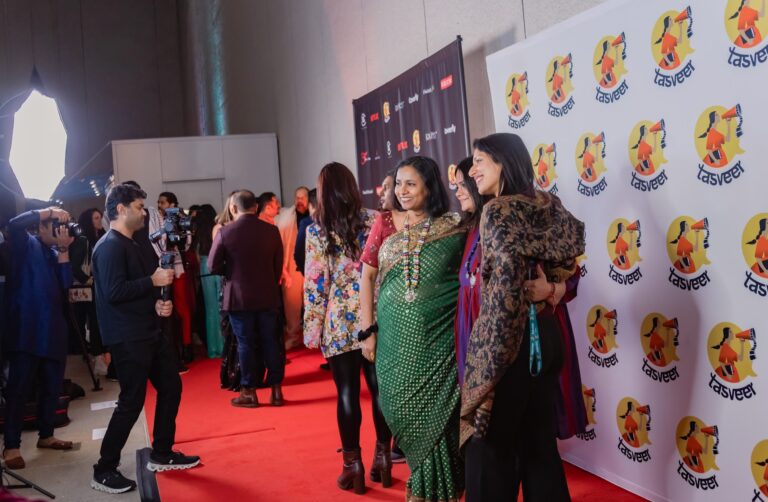 Tasveer Film Festival photo: Rita Meher
- When Seattle was incorporated in 1869, it had a population of just under 1,000 people, 33 of whom were of Chinese descent.
- Tsue Chong Company is a major supplier of fortune cookies in Seattle, making more than 80,000 individual cookies daily. Their small retail store sells the freshly baked treats, including flat “unfortunate” cookies that are just as tasty.
- The C-ID is home to 11 dragon sculptures, winding around light poles at the borders of the district. Created by local artists Meng Huang and Martin Brunt in 2001, a feng shui expert was brought in to evaluate the best places to situate the creatures.
Discover More of Seattle's Rich Cultural Heritage


Subscribe to the Seattle Localist
Seattle’s best every month in your inbox
Book Your Trip

Advertisements